Bimetal Protectors, PTCs, or Thermal Fuses? A Selection Guide for Motors and Transformers
Temperature control is one of the most critical aspects in the design of electrical equipment such as motors, transformers, and generators. During operation, these devices generate heat that must be kept under control to prevent wear and tear and failure of the insulating materials and ensure safety and long-term durability. For this reason, it is essential to incorporate appropriate thermal protection systems.
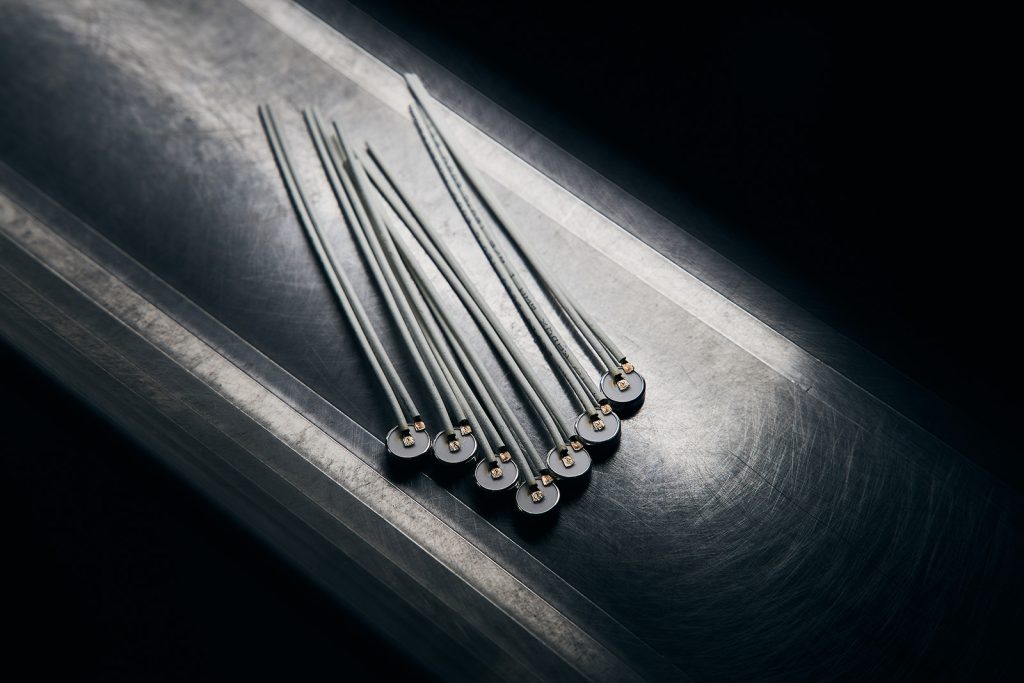
In this article, we compare the three main protection technologies available on the market—bimetal protectors, thermal fuses, and PTC thermistors—to understand their operating principles, application limitations, and selection criteria for safe operation even in the most complex industrial environments.
Thermal Protectors Available on the Market
There are several technologies used for thermal protection, each with specific mechanical and electrical characteristics.
Bimetal Switch: Rapid-Acting Safety
Bimetal protectors (or snap-action thermostats) are among the most widely used and reliable solutions for active temperature control. Their operation is based on the differential thermal expansion of two coupled metal strips. When the trip temperature is reached, the strip snaps mechanically (snap-action technology), interrupting the electrical current and preventing faults or fires in the windings.
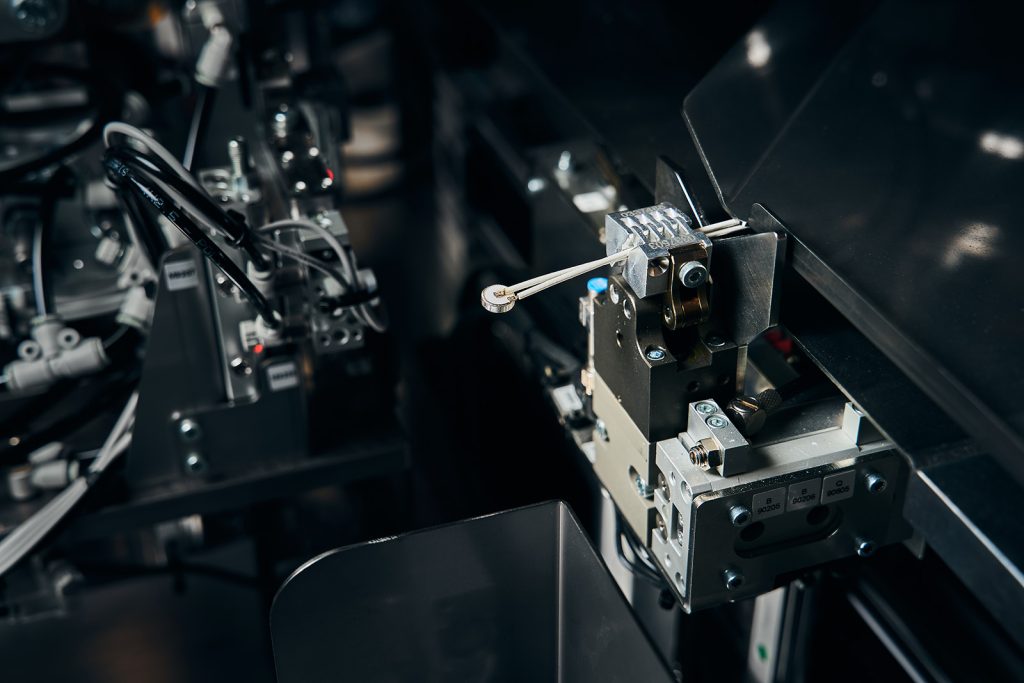
Depending on the safety logic required by the application, bimetallic protectors are divided into two categories:
- Automatic reset: When the device cools down, the bimetal returns to its original position and the circuit automatically closes again;
- Manual reset: Once tripped, the device requires manual intervention to restore contact. This solution is ideal in situations where the cause of overheating must be checked before restarting the machine.
Thermal fuses: the single-use barrier
When the primary requirement is not continuous service but a permanent safety barrier, thermal fuses are the preferred choice. Unlike bimetallic systems, thermal fuses are one-shot devices: they trip only once and, after activation, must be replaced. Inside, a heat-sensitive element—typically a metal alloy or pad —melts at a specific temperature, permanently interrupting the circuit.
They are ideally suited for thermal protection in transformers, household appliances (hair dryers, microwave ovens), environments where automatic reset would pose a risk.
PTC Thermistors: The Path of Electronic Sensing
A radically different approach is offered by PTC (Positive Temperature Coefficient) thermistors. In this case, there is no mechanical or physical interruption of the circuit. PTCs are semiconductor sensors that exponentially increase their electrical resistance upon reaching a specific temperature threshold. This sudden change prevents the flow of current and protects the machine.
To completely cut off the power supply, PTCs must be connected to auxiliary control electronics, such as a relay or an external driver, which increases the system’s complexity.
Fields of Application and Selection Criteria
- Thermal protection systems are used in numerous sectors:
- Electric motors;
- Household appliances;
- HVAC and refrigeration systems;
- Transformers;
- Automotive;
- Lighting;
- Industrial applications.
The choice of the most suitable technology depends on operating conditions, the required safety level, and applicable regulations. While PTC thermistors serve as excellent sensors but require auxiliary electronics, and fuses compromise operational continuity by forcing machine downtime for replacement, bimetal protectors represent the optimal solution for combining direct mechanical disconnection, protection against failures or fires, and rapid restoration of operation.
Critical Conditions and Impregnation Processes
The challenges of thermal protection are not limited to the operating conditions of electrical machines; even during the machine’s manufacturing process, it is necessary to ensure the durability of our products against environmental factors (dust, humidity) and production technologies (pressing and impregnation of wound stators).
Maestro bimetal thermal switch are engineered to operate under these critical conditions. To withstand high pressures and the chemicals in paints and resins, the protectors are supplied with a standard sealing and protective finish.
The epoxy resin sealing and advanced insulation with a PET-Nomex® cap make them ideal for withstanding industrial impregnation cycles, while ensuring dielectric strength up to 2 kV.
The effectiveness of a protection system is measured by its ability to remain intact and reliable throughout the machine’s entire life cycle. Choosing components custom-engineered for real-world operating conditions helps prevent failures and turns safety into a tangible competitive advantage.
Do you want to optimize the thermal protection of your production line?
Maestro’s technicians are available to assist you in sizing and selecting the ideal technology for your motors and transformers. Contact us for a technical consultation.