Maestro Temperature Sensors
Temperature sensors measure the temperature of the environment in which they are installed, for both comfort and safety purposes. When connected to appropriate devices, they allow for active temperature control of a space or trigger corrective action in the event of anomalies. This is, for example, their typical application in electric motors, transformers, and electrical machinery in general, where they protect the device by cutting off the power supply in the event of excessive overheating.
When paired with a digital controller, these sensors are ideal not only for temperature control but also for programming corrective acyions when a critical value is reached.
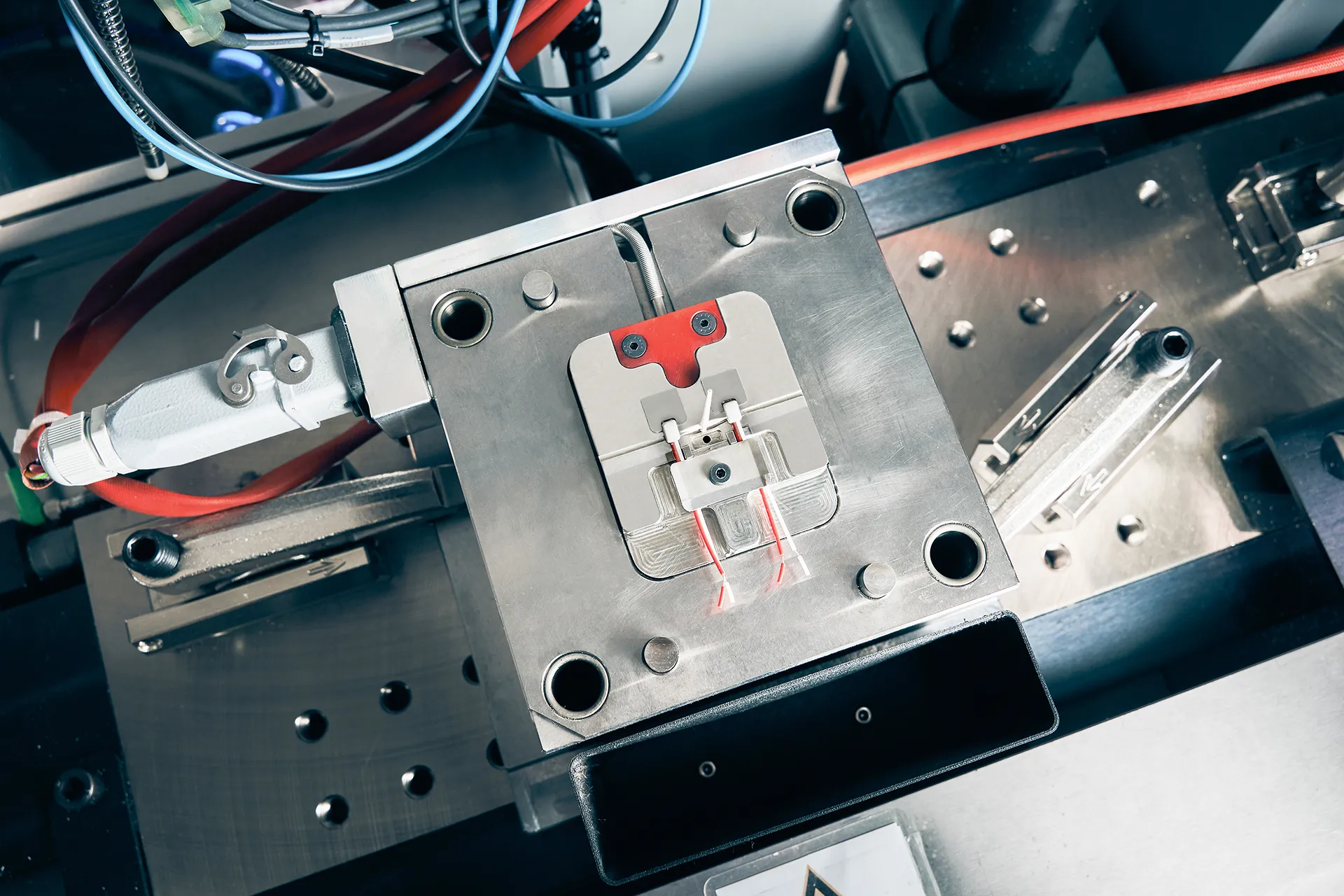
Maestro RTD temperature sensors utilize a platinum chip of our own design, which allows for assembly using automated machinery. This enables faster and more precise assembly, as well as better repeatability of the finished product, consistent performance, and a higher-quality end result.
Overmolding with an engineering polymer provides exceptional mechanical strength. Like our bimetal thermal switches, our temperature sensors are also manufactured using an automated process and are 100% tested in-line.
PT100 and
PT1000
Our co-molded PT-RTDs (Platinum Resistance Temperature Detectors) are available in both PT100 and PT1000 versions, which differ in their reference resistance at 0°C (100 Ω and 1000 Ω, respectively).

If you have any questions or would like more information, please fill out the form: we’d be happy to get to know you and work with you to identify the best applications for your products.
Our strengths
100%
Made in Italy
100% European components
100% Automation
100% Tested
These elements guarantee consistent quality, long-term reliability, and full compliance with European regulations.